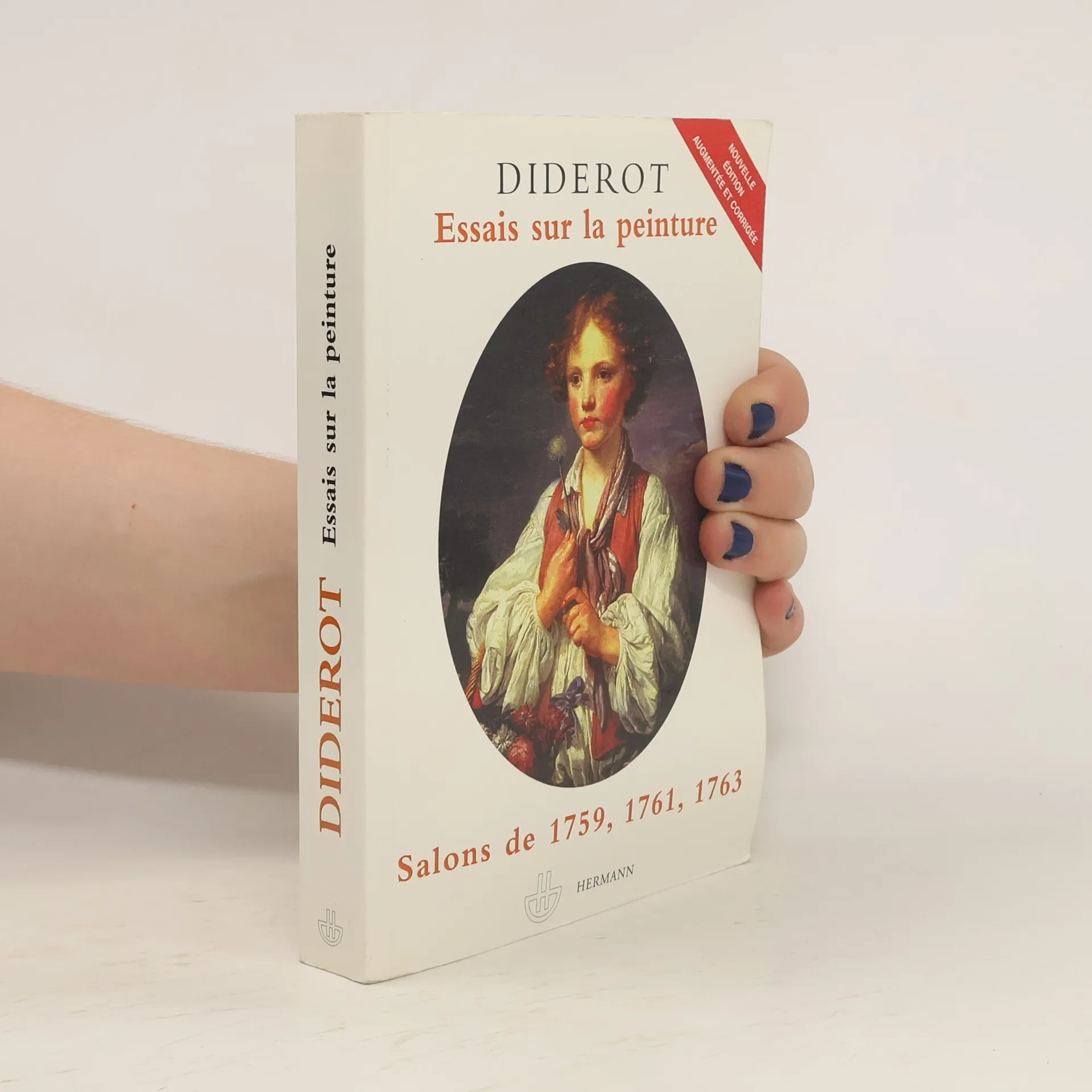
Synthèse de l'essentiel des idées de Diderot sur l'art de 1759 à 1763. Diderot, dans ses écrits, tâche de ramener les artistes à une observation plus sincère de la nature. Il n'envisage pas l'oeuvre d'art sous le seul angle des qualités formelles, mais s'attache aussi à la décrire dans ses rapports ambigus, souvent déterminants, avec la société et les institutions politiques.
Rameau’s Nephew is a fictional conversation written by Denis Diderot, one of the key figures of the French Enlightenment. Composed over many years and exploding onto the French literary scene when it was first released, in form and content it is unique in French literature. In a famous Parisian chess café, a down-and-out (“HIM”) accosts a former acquaintance (“ME”) who has more or less made good. They trade stories and satirise the society in which they move, one of extreme inequality, corruption, and envy, where mediocrity is allowed to flourish. They gossip about the circle of hangers-on in which the down-and-out abides and discuss the nature of genius, good and evil, chess, music, and art. And towards half past five, when the warning bell of the Opera sounds, they part, going their separate ways. The book fascinated Goethe, Hegel, Engels, and Freud in turn, achieving a literary-philosophical status that no other work by Diderot shares. This edition offers a brand new translation of Diderot’s famous dialogue.